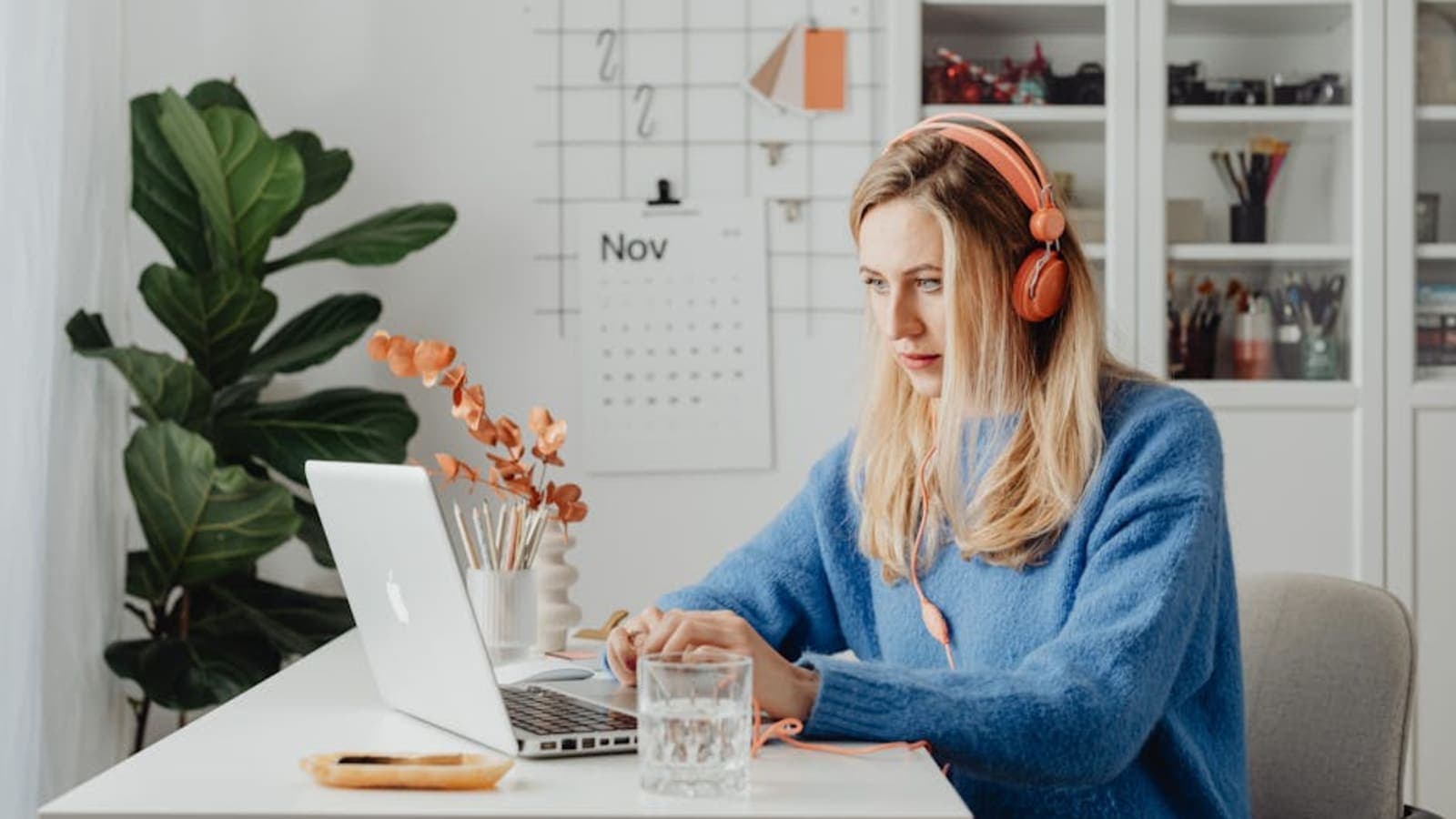
The work-from-home (WFH) era has revolutionized our relationship with office attire. Gone are the days of rigid suits and uncomfortable heels for the daily commute. But while the pendulum has swung wildly toward comfort—hello, sweatpants—there’s a crucial middle ground: clothing that feels like pajamas but looks ready for a client video call.
Finding that sweet spot—the intersection of ultimate comfort and undeniable professionalism—is key to maintaining productivity, professionalism, and personal sanity. This guide dives into the essential garments and smart strategies for building a WFH wardrobe that keeps you cozy while ensuring you look sharp from the neck up (and the waist down, just in case).
I. The Professional Top: Your Video Call MVP
When 80% of your workday is spent looking at a webcam, the top you choose is your most valuable player. It must look polished, be wrinkle-resistant, and, crucially, feel soft against your skin.
For Women: Effortless Elegance
Item | Why It Works | WFH Comfort Factor |
Knit Polo or Sweater | The collar instantly elevates the look; knits signal sophistication. | Soft, stretchy fabric, often made from cotton blends or fine merino wool. |
Silk or Satin Blouse | Provides a beautiful drape and subtle sheen that catches the light well on camera. | Lightweight, breathable, and feels luxurious against the skin (unlike stiff cotton). |
Structured T-Shirt Dress | Simple, comfortable, and looks polished. Choose one with a boat or scoop neck. | A single, non-restricting garment—the comfort of a long T-shirt. |
Cardigan or Blazer (The Third Piece) | Throwing a soft, structured piece over a simple tee instantly adds formality. | Easy on/off; a knit blazer offers structure without the stiffness of tailoring. |
For Men: Sharp and Simple
Item | Why It Works | WFH Comfort Factor |
Soft Knit Henley or Polo | A slight texture, collar, or button placket adds more formality than a standard tee. | Made from comfortable pima cotton or a modal blend; no tie required. |
Fine-Gauge Sweater | A crewneck or V-neck sweater in merino, cashmere, or a soft cotton blend looks instantly sharp. | Warm, soft, and completely unrestrictive; an easy layer. |
Performance Dress Shirt | Look for brands that use fabric blends designed for mobility and wrinkle resistance. | Stretchy, moisture-wicking, and often requires little to no ironing. |
Soft-Shoulder Knit Blazer | A structured layer for important calls that can be thrown off immediately after. | Unlined, unstructured, and made from jersey or sweatshirting fabric. |
II. The Comfort Bottoms: Business in the Back
The bottoms are where you can truly prioritize comfort, but the best WFH pieces offer a visual compromise: they look like trousers but feel like joggers. Avoid true sweatpants (unless they are a very structured knit) in favor of fabrics that drape well.
Unisex Bottom Essentials
Knit Trousers/Joggers: Look for pants made from dense jersey, ponte knit, or a structured fleece. They have the elastic waist and soft texture of sweats but often feature trouser details like functional pockets and a slight taper.
Drawstring Linen or Tencel Pants: Extremely light and breathable for warmer months.1 They look relaxed and fashionable while feeling airier than jeans or wool.
Wide-Leg or Fluid Pants: For women, a wide-leg knit pant or palazzo style is incredibly comfortable.2 For men, a looser-cut, non-denim trouser offers maximum mobility.
Pro Tip: The Power of Crease
If you have knit trousers, lightly pressing a crease down the front of each leg can instantly trick the eye into seeing a formal pant.
III. The Fabric Foundation: Prioritizing Feel
The secret to WFH comfort is choosing the right materials. These fabrics offer a luxurious feel with a presentable look:
Ponte Knit: A dense, double-knit fabric that is structured enough to look tailored but has the stretch and softness of jersey.3 It resists wrinkles perfectly.
Merino Wool/Cashmere Blends: Excellent temperature regulation (cool in summer, warm in winter) and a luxurious, non-itchy feel that looks expensive.4
Modal/Tencel/Rayon: Sustainable cellulose fibers that drape beautifully, feel silky smooth, and are incredibly breathable.5 Perfect for blouses and soft trousers.
Performance Blends: Look for nylon/spandex/polyester blends designed for travel or athletics. They are usually moisture-wicking, stretchy, and highly resistant to wrinkles.
IV. Styling & Strategy for Success
It’s not just what you wear, but how you wear it.
1. The Head-to-Toe Test (The Unscheduled Visitor)
Even if you only plan to be seen from the chest up, always get dressed in a complete, coordinated outfit. Why?
It improves your mental transition from "home mode" to "work mode."6
It protects you from the unexpected standing moment—a delivery, a sudden need to run a quick errand, or a quick dash to the printer.
2. Focus on Fit and Draping
Oversized or sloppy clothing immediately looks casual. Choose knitwear and comfort pieces that fit well—nothing too baggy. The clothing should fall away from the body fluidly (draping) rather than cling or bunch. A well-fitting garment, even a knit one, always looks more professional.
3. Accessorize Intentionally
Use minimal accessories to elevate a simple outfit:
A simple statement necklace or classic gold chain (for women and men) draws the eye upward to the "camera zone."
Minimalist stud earrings or small huggies add a subtle sparkle.
A nice watch or simple bracelet adds polish, even if your co-workers can't see it.7
4. Color and Pattern Choice
Stick to muted, solid colors (navy, charcoal, forest green, camel, black, white) or subtle, classic patterns (thin stripes, small checks). Busy, loud patterns can be distracting and look distorted on a webcam.
The WFH uniform is a powerful psychological tool. By choosing comfort-focused clothes that still project professionalism, you're investing in your mental state, your presentation, and the flexibility that modern work demands.