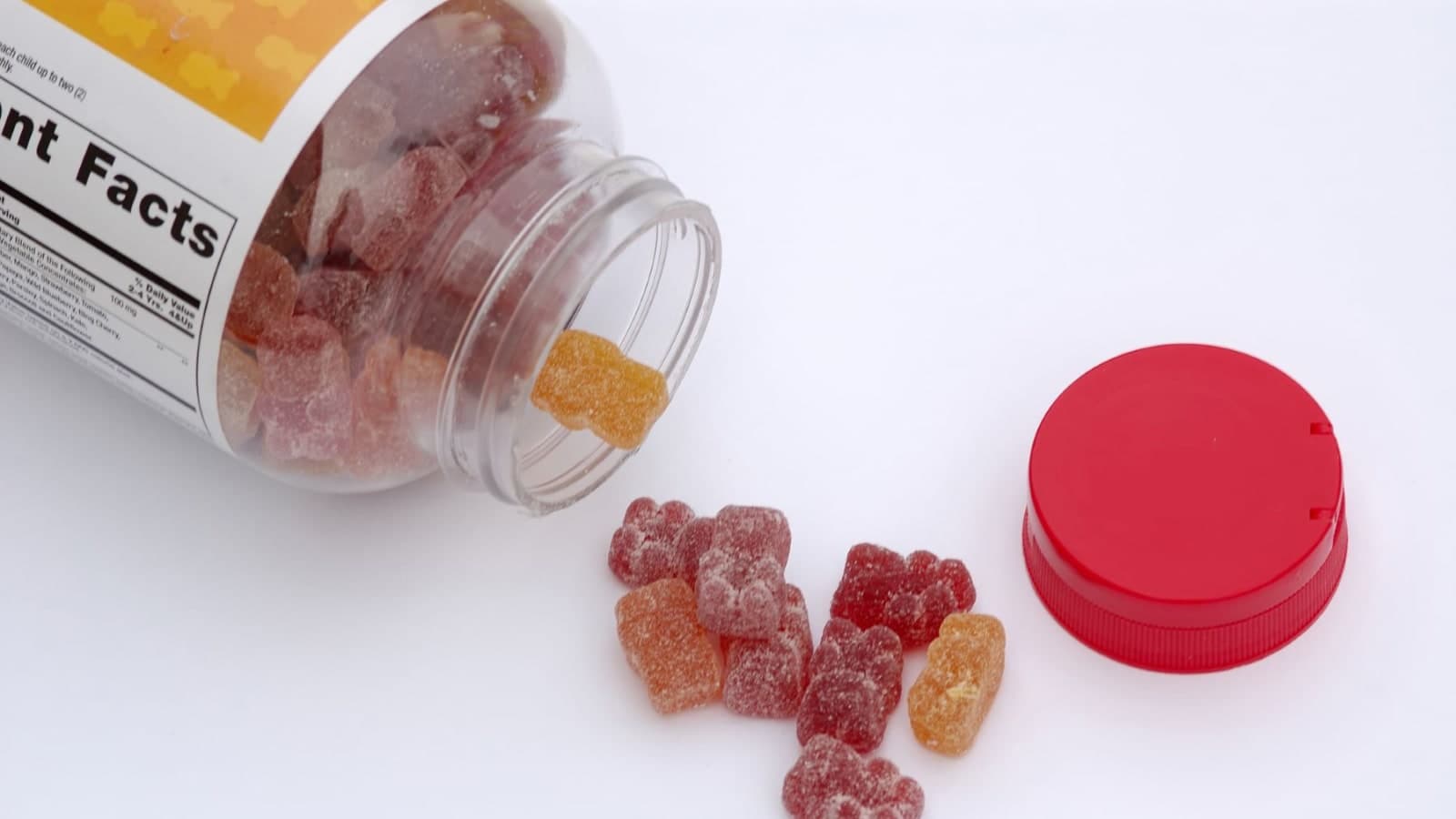
The market for hair growth gummies is an explosive segment of the beauty industry, fuelled by social media virality and the appealing promise of achieving luscious locks through a chewable, candy like supplement. Brands across the spectrum from budget-friendly staples to premium, comprehensive formulas claim to combat shedding, accelerate growth, and boost volume.
We cut through the marketing noise to examine the core ingredients, review the scientific evidence, and provide a filtered analysis of the most popular brands.
The Scientific Filter: Do Gummies Actually Work?
The primary question regarding any hair growth supplement is whether it delivers results beyond those achieved by a balanced diet. The consensus among dermatologists and nutrition experts is nuanced:
1. The Biotin Myth

Almost every major hair gummy brand feature Biotin (Vitamin B7) prominently, often in doses far exceeding the Recommended Daily Allowance (RDA) of 30 micrograms.
The Fact: Biotin is an essential nutrient used to produce keratin, the fundamental protein structure of hair, skin, and nails.
The Reality: Biotin supplementation is only proven to promote hair growth in individuals with a clinical Biotin deficiency. Such deficiencies are exceptionally rare in healthy adults who eat a balanced diet, as Biotin is plentiful in foods like eggs, nuts, and whole grains. For the average, non-deficient consumer, consuming mega-doses of Biotin will likely not translate into faster or thicker hair growth, as the excess is simply excreted by the body.
2. The Power of Deficiency Correction
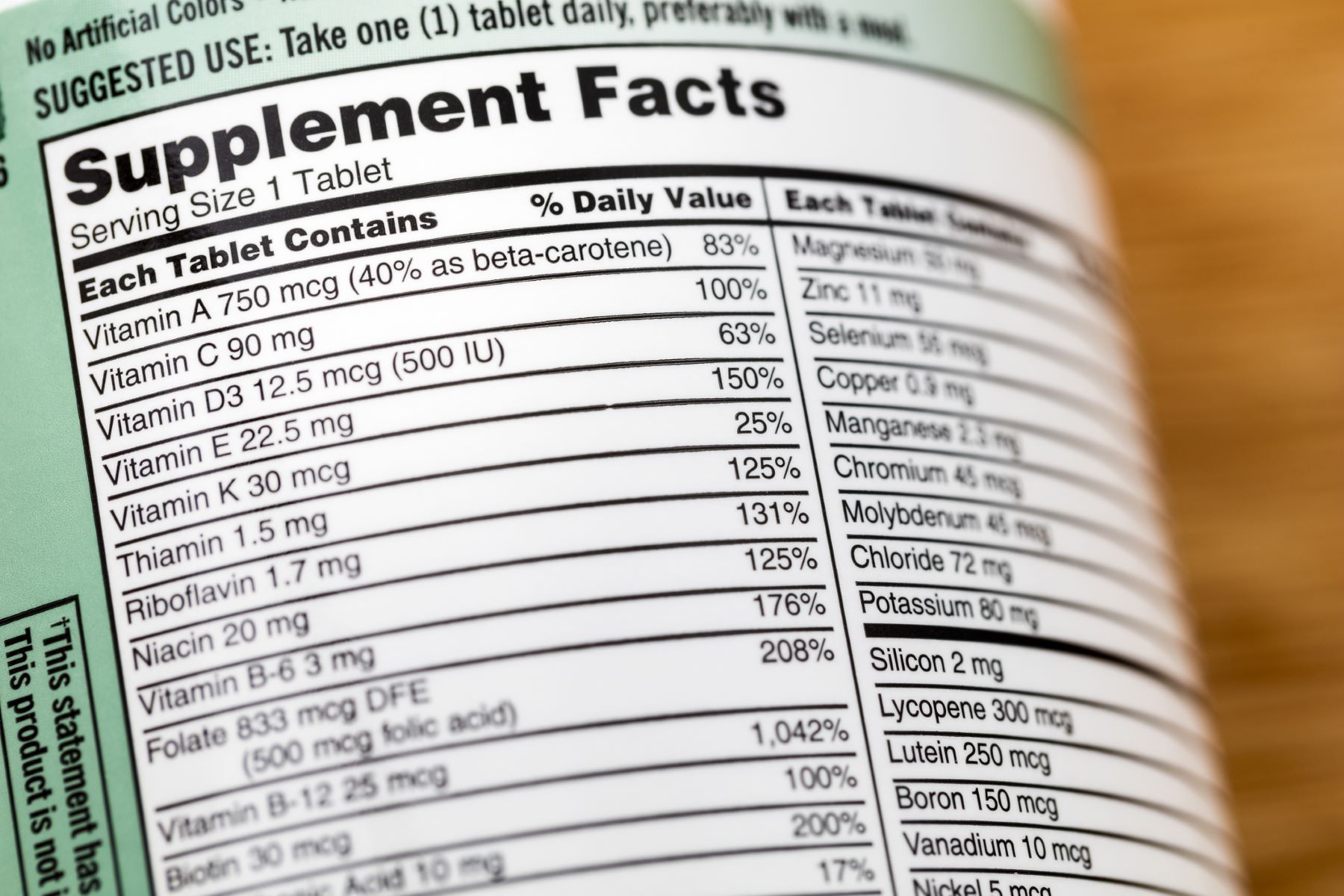
Where hair gummies can be effective is when they function as a targeted multivitamin that corrects a pre-existing nutritional gap. Hair is one of the last tissues in the body to receive nutrients, so deficiencies in key vitamins and minerals can trigger excessive shedding (Telogen Effluvium).
Key nutrients proven to support hair health when deficient include:
Iron and Zinc: Essential minerals; deficiencies are directly linked to hair loss.
Vitamin D: Low levels are commonly observed in people experiencing hair loss.
Vitamin C and E: Powerful antioxidants that combat oxidative stress, which can damage hair follicles.
If a gummy corrects one of these deficiencies, hair regrowth and improved health can be observed. If no deficiency exists, the visible effects are typically minimal.
3. The Lack of FDA Oversight

Hair gummies are classified as dietary supplements, meaning the FDA does not verify their safety, effectiveness, or quality before they hit the market. This creates risks related to:
Dosing Inconsistencies: The actual number of vitamins in the gummy may not match the label.
Contaminants: The lack of strict regulation means some products may contain unlisted fillers or low-quality ingredients.
Overdosing: High doses of certain fat-soluble vitamins (like Vitamin A) or minerals (like Selenium) found in some gummies can actually become toxic and, ironically, cause hair loss, gastrointestinal distress, or nerve damage.
Filtered Review of Viral Gummy Brands
We assessed the top-selling gummy brands based on formulation complexity, concentration of proven co-factors, and overall ingredient quality, rather than marketing claims.
1. Hair Sweet Hair (HUM Nutrition)
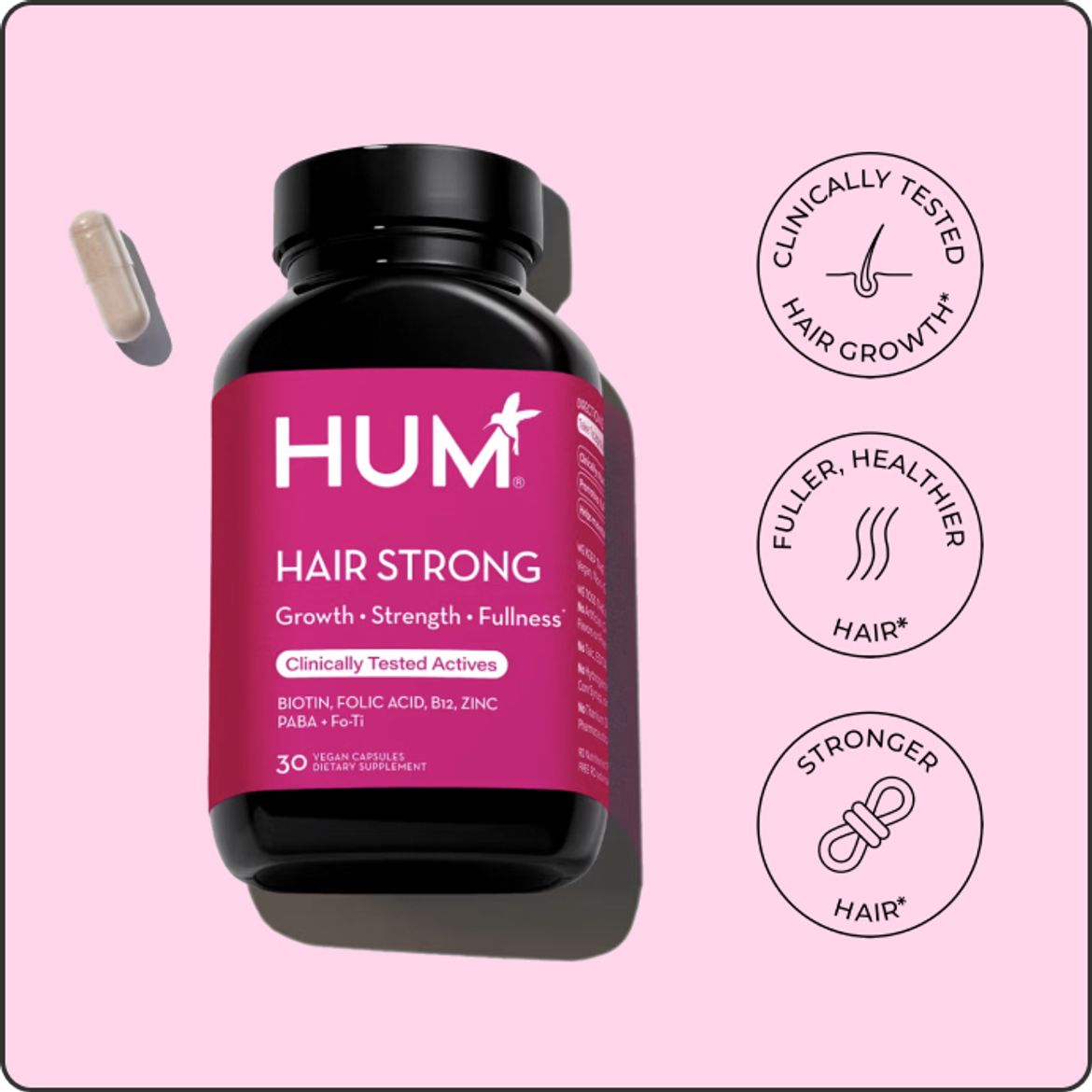
Focus: A blend of B Vitamins, Zinc, and Fo-ti (Polygonum multiflorum) Root Extract.
The Edge: This brand has been subject to a peer-reviewed, placebo-controlled study (funded by the company) which suggested that the specific blend of nutrients and botanicals was associated with a statistically significant increase in hair growth density and self-assessed improvements in shedding and strength over 6 months in women with self-reported thinning hair. The formula moves beyond just Biotin.
Verdict: Highest Evidence. This brand provides the most compelling (though company-funded) clinical data supporting the efficacy of its entire formula, not just a single nutrient.
2. SugarBearHair (The Original Viral Gummy)

Focus: Classic Biotin and B-Vitamin Complex.
The Edge: This brand achieved massive viral success largely due to influencer marketing. Its formula is high in Biotin (often 5,000 micrograms or more) and includes a standard mix of Vitamins A, C, D, E, B6, B12, and Folic Acid.
Verdict: Marketing Powerhouse. The formula is heavily centered on Biotin, which, as established, is unlikely to help non-deficient individuals. The product's success is more indicative of its palatability and marketing reach than its unique scientific efficacy. It is essentially a pleasant-tasting multivitamin with an emphasis on Biotin.
3. OLLY Ultra Strength Hair Softgels (Capsules, but from a Gummy Leader)
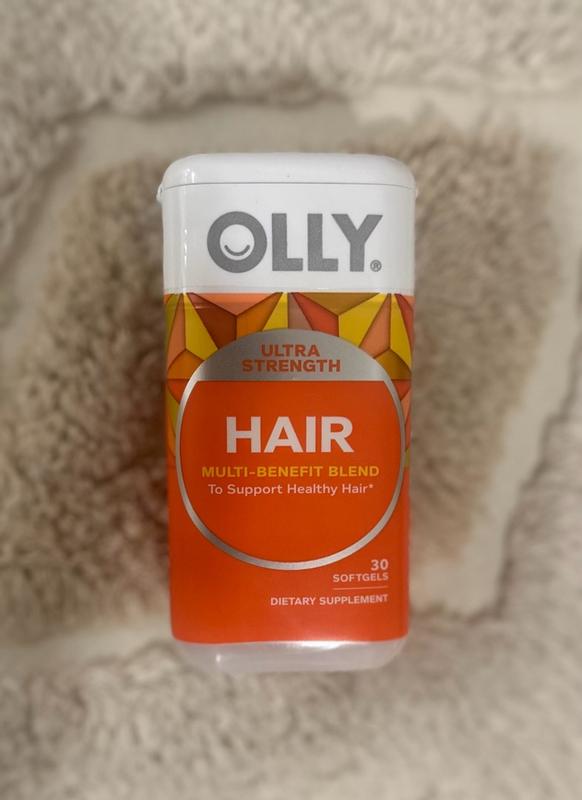
Focus: High-potency Biotin (5,000 micrograms) plus Keratin.
The Edge: While OLLY sells gummies, its "Ultra Strength" version often shifts to a capsule or softgel format to deliver Keratin, a protein many companies claim to include. Supplementing with Keratin, however, is controversial, as it is also digested like any other protein. The formula is a more focused dose for those who believe in high-dose Biotin.
Verdict: High Biotin Concentration. Best suited for the very specific—and rare—person who may be Biotin deficient and also prefers the OLLY brand flavor profile for their other supplements.
4. Nutrafol (Non-Gummy Capsules, but Setting the Standard)
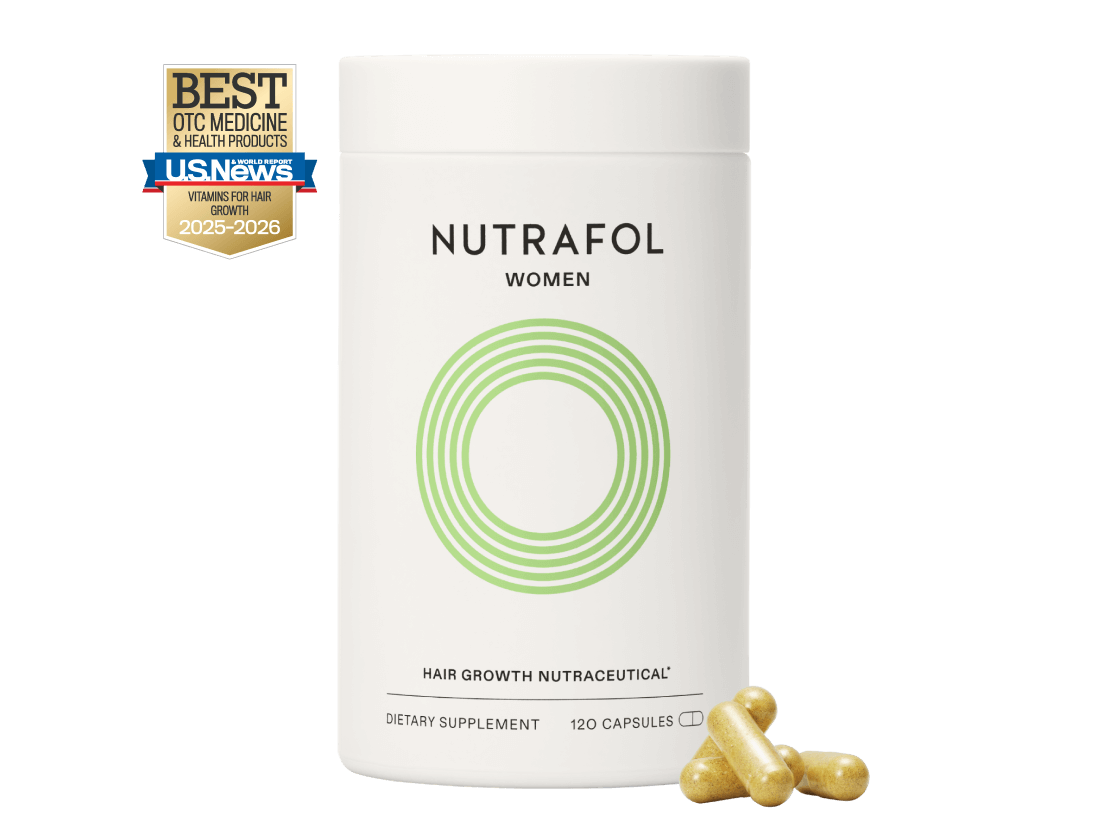
Focus: Nutraceuticals—a complex blend of vitamins, minerals, and clinically studied botanicals like Saw Palmetto, Ashwagandha, and Curcumin.
The Edge: While offered in capsule format, Nutrafol dominates the premium end of the market by tackling multiple root causes of hair thinning (stress, hormones, inflammation) in addition to nutrition. Saw Palmetto, for instance, is thought to help reduce the effects of the hair-thinning hormone DHT.
Verdict: Holistic Approach. If a user has ruled out deficiencies and suspects a stress or hormonal component, a botanical-heavy formula like this is often the next step recommended by practitioners, placing it far outside the basic gummy category.
Safety and Practical Considerations (The Warning Label)
Before starting any gummy regimen, consider these serious, often overlooked issues:
1. Biotin and Lab Tests

The FDA has issued a warning that high doses of Biotin (common in many gummies) can significantly interfere with certain lab tests, including those for thyroid function (TSH) and, critically, cardiac health (Troponin), leading to dangerously false results. Always inform your doctor or lab technician you are taking a Biotin supplement before any blood work.
2. The Sugar Content
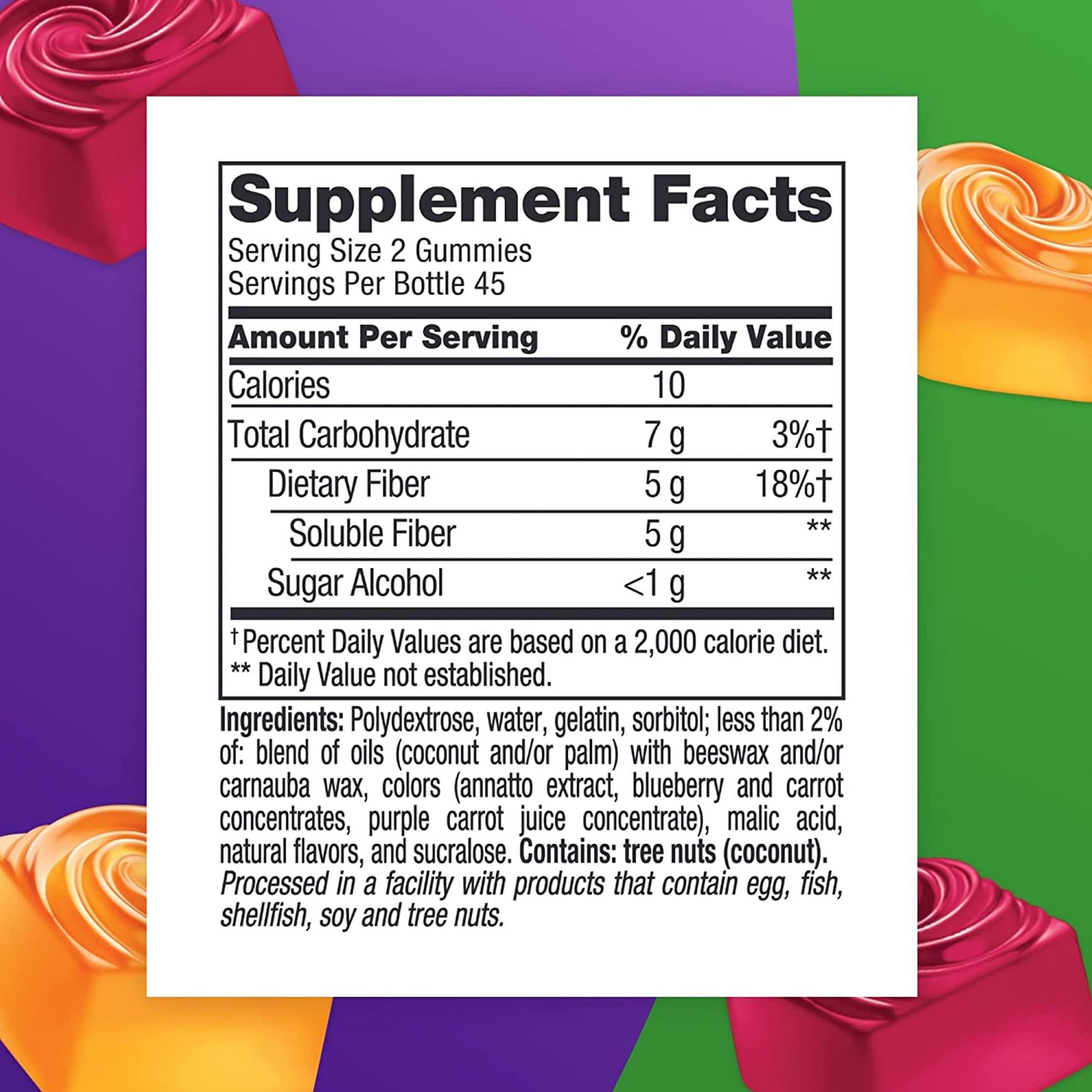
Since gummies are designed for palatability, most contain a considerable amount of added sugar, sometimes several grams per serving. For individuals monitoring blood sugar or simply looking to reduce sugar intake, this daily addition can undermine health goals.
3. The Need for Commitment

Hair grows in cycles. Any supplement, even proven medical treatments, requires a minimum of 3 to 6 months of consistent use before visible changes are seen, as the effects are only visible in newly grown hair. Discontinuing use after a month is a waste of time and money.
Final Conclusion
The viral hair growth gummies are not a scam, but they are often misrepresented. They function best as a convenient, high-Biotin multivitamin that corrects an otherwise silent deficiency.
The Best First Step: Consult a dermatologist and request a simple blood test to check for deficiencies (especially Iron, Ferritin, and Vitamin D).
If You Are Deficient: A general multivitamin or a well-formulated gummy like the one from HUM Nutrition (Brand A) may genuinely accelerate regrowth.
If You Are NOT Deficient: Expect minimal change. Your money is better spent on proven treatments like topical Minoxidil (Rogaine) or seeking a full hormonal/stress evaluation.
The appeal of the gummy is undeniable, but the path to truly healthy, thicker hair must begin with a scientific understanding of the cause of the thinning.